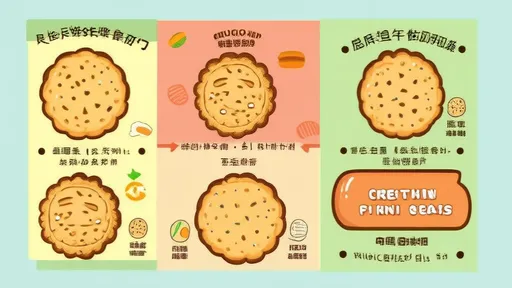
In recent years, parents have become increasingly concerned about the additives found in children's snacks, particularly biscuits. The growing awareness of food safety and nutrition has led to a demand for clearer information about what goes into these everyday treats. A "Children's Biscuit Additive Avoidance Guide" has emerged as a valuable resource for caregivers who want to make informed choices for their little ones.
The Hidden Ingredients in Kids' Biscuits
Walk down any supermarket aisle, and you'll find colorful packages of biscuits specifically marketed to children. While these snacks might seem harmless at first glance, a closer look at their ingredient lists often reveals a cocktail of additives. From artificial colors that make the biscuits visually appealing to preservatives that extend shelf life, these substances have become commonplace in children's food products.
Some additives serve legitimate purposes in food production, such as preventing spoilage or maintaining texture. However, others exist primarily to enhance appearance or reduce manufacturing costs. The challenge for parents lies in distinguishing between necessary additives and those that might be best avoided, especially when it comes to children's developing bodies.
Understanding Additive Categories
Food additives generally fall into several categories. Preservatives like sodium benzoate help prevent mold growth, while antioxidants keep fats from going rancid. Emulsifiers ensure ingredients stay mixed, and stabilizers maintain texture. Then there are the more controversial additives - artificial colors, flavors, and sweeteners that make products more appealing to young consumers.
Recent studies have raised concerns about certain additives potentially affecting children's behavior and health. While regulatory bodies maintain that approved additives are safe in limited quantities, many parents prefer to err on the side of caution. This has led to growing interest in additive-free or minimally processed alternatives.
Reading Between the Lines of Labels
Deciphering food labels can feel like navigating a minefield for concerned parents. Additives might appear under their chemical names or as numbered "E codes" (in European products). Some manufacturers have responded to consumer concerns by removing certain controversial additives or highlighting their "free-from" credentials on packaging.
The most cautious approach involves looking for biscuits with the shortest ingredient lists. Generally, the fewer components - especially those with complex chemical names - the better. Many health-conscious brands now proudly display their simple recipes as a selling point, emphasizing natural ingredients over synthetic additives.
Practical Tips for Parents
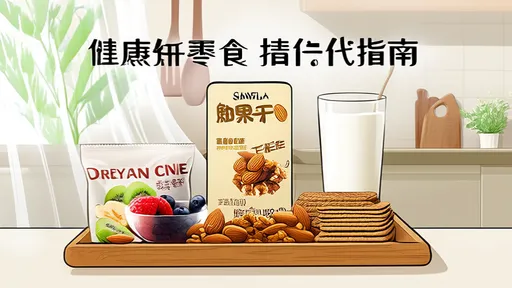
When selecting biscuits for children, consider starting with the nutrition panel rather than the marketing claims on the front of the package. Look for lower sugar and salt content, as these often accompany heavily processed products. Be particularly wary of brightly colored biscuits, which typically contain artificial dyes.
Organic options often have stricter regulations regarding additives, though they may come at a higher price point. Homemade biscuits, while time-consuming, offer complete control over ingredients. For busy families, some brands now offer clean-label alternatives with recognizable ingredients.
Remember that moderation remains key - even additive-free biscuits should complement a balanced diet rather than dominate it. By becoming informed consumers, parents can make better choices that align with their family's health priorities while still allowing for the occasional treat.

By /Aug 6, 2025

By /Aug 6, 2025

By /Aug 6, 2025

By /Aug 6, 2025

By /Aug 6, 2025

By /Aug 6, 2025

By /Aug 6, 2025

By /Aug 6, 2025

By /Aug 6, 2025

By /Aug 6, 2025
By /Aug 6, 2025

By /Aug 6, 2025

By /Aug 6, 2025

By /Aug 6, 2025
By /Aug 6, 2025
By /Aug 6, 2025

By /Aug 6, 2025

By /Aug 6, 2025

By /Aug 6, 2025
By /Aug 6, 2025
