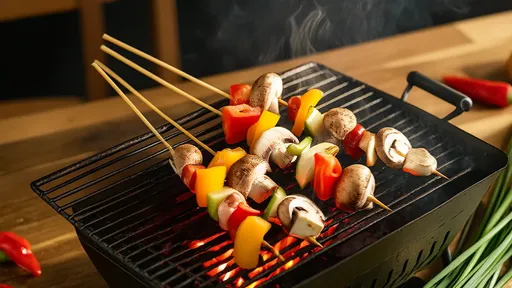
The art of grilling vegetables seems simple enough at first glance – chop them up, toss them on the grill, and wait for that perfect char. But anyone who’s ever ended up with shriveled, dried-out zucchini or mushy eggplant knows there’s more to it than meets the eye. Mastering moisture retention is the secret to achieving plump, juicy grilled vegetables with that ideal balance of smoky flavor and tender-crisp texture.
Vegetables naturally contain high water content, which makes them prone to drying out when exposed to direct high heat. The key lies in understanding how to protect that moisture while still allowing the grill to work its magic. It starts with selecting the right vegetables. Those with dense cell structures like bell peppers, mushrooms, and thick asparagus spears tend to hold up better than more delicate options.
Preparation techniques make all the difference. Many grill masters swear by brining or marinating vegetables before cooking. A simple saltwater brine helps vegetables absorb extra moisture that gets retained during cooking. For marinades, oil-based mixtures create a protective barrier while acidic components like vinegar or citrus juice help break down fibers just enough to prevent toughness without causing sogginess.
The cutting method significantly impacts moisture retention. Slicing vegetables too thin guarantees quick dehydration, while overly thick cuts might not cook through properly. Diagonal cuts on elongated vegetables like zucchini create more surface area for caramelization while maintaining structural integrity. Leaving skins on when possible provides a natural moisture barrier – eggplant and potatoes benefit particularly from this approach.
Temperature control separates adequate grilling from exceptional results. Contrary to popular belief, screaming hot grills aren’t always better for vegetables. Medium heat allows for thorough cooking without excessive moisture loss. Two-zone grilling setups prove invaluable – starting vegetables over indirect heat to cook through before finishing with a quick sear over direct flames preserves juiciness while adding those coveted grill marks.
Timing matters just as much as temperature. Overcooking remains the fastest route to dehydrated vegetables. Most dense vegetables need just 3-5 minutes per side over medium heat. Using a timer prevents guesswork, and remembering that vegetables continue cooking after removal from heat helps avoid that limp, overdone texture. Testing doneness with a skewer should meet slight resistance – complete softness indicates too much moisture has escaped.
Specialized techniques can further enhance moisture retention. Par-cooking certain vegetables like carrots or potatoes before grilling ensures they cook through without prolonged exposure to drying heat. Steam grilling – placing a pan of water beneath the grill grate – creates a humid environment that prevents dehydration. Some chefs even use a light misting of water or brine during cooking to replenish surface moisture.
The grill surface itself plays a role in moisture conservation. Well-seasoned cast iron grates or grill plates conduct heat evenly while preventing sticking that can tear vegetable surfaces and release juices. For particularly delicate vegetables like tomatoes or thin asparagus, perforated grill pans or aluminum foil with holes poked through offer protection while still allowing smoke penetration.
Post-grill handling completes the moisture preservation process. Allowing grilled vegetables to rest for a few minutes lets juices redistribute rather than running out when cut. A final drizzle of high-quality olive oil or flavored butter adds back surface moisture while enhancing flavor. Serving immediately is ideal, but if holding is necessary, keeping vegetables covered in a warm environment prevents dehydration better than leaving them exposed.
Understanding these moisture-retaining principles transforms vegetable grilling from an afterthought to a centerpiece-worthy culinary art. The difference becomes immediately apparent when biting into a perfectly grilled portobello mushroom that bursts with juices or crisp-tender bell peppers that retain their natural sweetness beneath the smoky exterior. With practice, these techniques become second nature, turning every backyard barbecue into an opportunity to showcase vegetables at their peak.
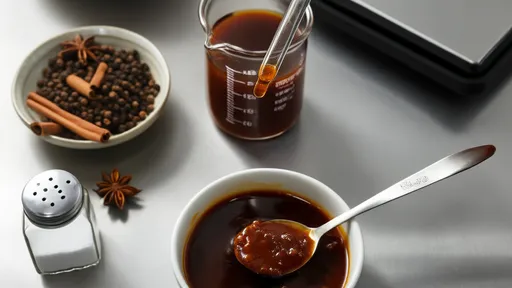
Beyond basic preparation, exploring global grilling traditions reveals additional moisture-preserving methods. Japanese yakitori chefs often baste vegetables with savory tare sauces that create a glaze while preventing dryness. Mediterranean cooks utilize herb-infused oils applied during cooking. South American techniques might involve wrapping vegetables in banana leaves to steam while grilling. Each culture’s approach offers valuable insights into keeping vegetables succulent over open flames.
Seasonality affects moisture content and therefore grilling approaches. Early summer vegetables tend to have higher natural water content than late-season specimens. Adjusting techniques accordingly – perhaps reducing brining time for freshly harvested vegetables or increasing it for those that have been stored – maintains consistent results year-round. Farmers market finds often grill better than supermarket vegetables simply because they haven’t lost moisture during extended transport and storage.
Equipment choices can make moisture retention easier or more challenging. While charcoal grills provide unbeatable flavor, their intense radiant heat requires more careful temperature management. Gas grills offer precise control but may benefit from added smoke packets for flavor. Electric grills struggle with moisture retention unless specifically designed with features like temperature probes or steam injection. Knowing how to work with each type’s strengths and limitations leads to better outcomes.
Presentation impacts perceived moistness as well. Arranging grilled vegetables with their most attractive, caramelized sides up makes them appear juicier. Garnishes like fresh herbs or citrus zest add visual appeal that suggests freshness and moisture. Serving on warm plates prevents rapid cooling that can make vegetables seem drier than they are. Even the choice of serving vessel – rustic wooden boards versus sleek porcelain – influences how juicy the vegetables appear to guests.
The pursuit of perfectly moist grilled vegetables never truly ends because each variety presents unique challenges. What works for meaty king oyster mushrooms fails for delicate cherry tomatoes. Through experimentation and observation, grill masters develop an intuition for when to apply certain techniques. The reward comes in every bite of vegetables that retain their essence while gaining that irreplaceable grilled character – a balance only achieved through respecting and preserving nature’s gift of moisture.

By /Aug 6, 2025

By /Aug 6, 2025

By /Aug 6, 2025

By /Aug 6, 2025

By /Aug 6, 2025

By /Aug 6, 2025

By /Aug 6, 2025

By /Aug 6, 2025

By /Aug 6, 2025

By /Aug 6, 2025

By /Aug 6, 2025

By /Aug 6, 2025
By /Aug 6, 2025
By /Aug 6, 2025
By /Aug 6, 2025
By /Aug 6, 2025

By /Aug 6, 2025

By /Aug 6, 2025
By /Aug 6, 2025
By /Aug 6, 2025
