The challenge of maintaining proper hydration among elderly individuals is often compounded by the risk of aspiration, a serious concern that can lead to pneumonia and other complications. As swallowing difficulties become more prevalent with age, the selection of an appropriate drinking aid becomes crucial. Among the various options available, specialized anti-aspiration straws have emerged as a practical solution, though their effectiveness depends on several nuanced factors.
Swallowing disorders, or dysphagia, affect a significant portion of the older population. This condition alters the coordination between the throat muscles and the epiglottis, increasing the likelihood of liquids entering the airway. Conventional straws may exacerbate this problem by delivering liquid too quickly or requiring excessive suction force. The development of adaptive drinking tools has therefore become an important focus in geriatric care, with particular attention to flow control and ergonomic design.
Understanding the mechanics of safe swallowing is essential when evaluating drinking aids. The normal swallow involves a complex sequence of muscular contractions that propel liquid from the mouth to the esophagus while protecting the airway. In aging adults, delayed triggering of the swallow reflex or weakened muscular strength can disrupt this process. Specialized straws aim to compensate for these changes by regulating the speed and volume of liquid intake, giving the body more time to coordinate the swallowing mechanism properly.
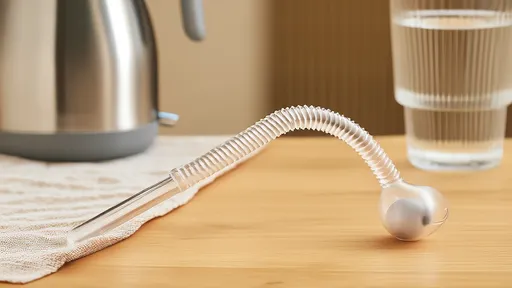
The market offers various straw designs claiming to reduce aspiration risk, but not all deliver equal benefits. Some feature valves that only release liquid when suction reaches a certain threshold, while others incorporate multiple small openings to decrease flow velocity. The most effective models often combine several features: adjustable flow rates, angled tips for better mouth positioning, and materials that provide tactile feedback to the lips. These characteristics work together to create a safer drinking experience without requiring conscious effort from the user.
Material selection plays a critical role in the functionality and comfort of anti-aspiration straws. Silicone options have gained popularity due to their flexibility and durability, allowing for repeated use and easy cleaning. The slight resistance offered by silicone can also help regulate drinking speed naturally. For individuals with limited lip control, straws with textured surfaces or wider mouthpieces provide additional stability. Temperature sensitivity is another consideration, as some materials maintain liquid temperature better than others during prolonged drinking sessions.
Proper positioning during use significantly affects the straw's effectiveness. Many healthcare professionals recommend maintaining chin tuck posture while drinking through specialized straws, as this position naturally protects the airway. Some advanced straw designs incorporate this knowledge into their shape, encouraging optimal head positioning through their angle and length. The relationship between straw design and body mechanics underscores the importance of viewing these tools as part of a comprehensive approach to safe hydration.
Caregiver involvement remains crucial even with adaptive drinking equipment. Observing drinking patterns, monitoring for signs of fatigue during meals, and ensuring proper cleaning of the straw all contribute to successful implementation. Some straw models include visual indicators that alert caregivers when the user is drinking too quickly or needs a break. These features transform a simple tool into a comprehensive safety system that addresses both the physical and observational aspects of aspiration prevention.
The psychological impact of drinking independence should not be underestimated when considering straw options. Many elderly individuals experience frustration or embarrassment when needing assistance with basic activities like drinking. A well-designed straw that allows them to hydrate safely without supervision can significantly improve quality of life and self-esteem. This emotional benefit often translates into better hydration habits, as users feel more inclined to drink regularly when they can do so comfortably and confidently.
Clinical studies comparing different straw designs yield important insights for selection. Research indicates that straws producing a controlled, steady stream of liquid result in fewer aspiration incidents compared to those allowing variable flow rates. The ideal flow rate appears to be between 10-15 ml per second, though individual tolerance varies. Some studies have measured muscular activity during straw use, finding that certain designs actually promote more coordinated swallowing patterns through subtle sensory cues.
Cost and accessibility factors influence the practical adoption of specialized drinking aids. While basic adaptive straws remain relatively affordable, more sophisticated systems with multiple components may present financial barriers. However, when weighed against the potential medical costs of aspiration pneumonia, even premium options often prove cost-effective in the long term. Some healthcare systems now include these tools in their covered equipment lists, recognizing their preventive value.
Future developments in this field may incorporate smart technology to further enhance safety. Prototypes exist that monitor swallowing patterns and adjust flow accordingly, or that alert caregivers to potential risk situations. Such innovations could revolutionize elderly care by providing real-time data to prevent aspiration before it occurs. Until these advanced solutions become widely available, current specialized straw designs represent the best practical solution for many individuals dealing with age-related swallowing challenges.
The process of selecting an appropriate anti-aspiration straw should always involve professional assessment. Speech therapists and occupational therapists can evaluate individual needs and recommend specific features that match the user's capabilities. What works perfectly for one person might be unsuitable for another, emphasizing the need for personalized solutions in geriatric care. This tailored approach ensures that each individual gains maximum benefit from their drinking aid while minimizing any potential risks.

By /Aug 6, 2025

By /Aug 6, 2025

By /Aug 6, 2025

By /Aug 6, 2025

By /Aug 6, 2025

By /Aug 6, 2025

By /Aug 6, 2025

By /Aug 6, 2025

By /Aug 6, 2025

By /Aug 6, 2025

By /Aug 6, 2025

By /Aug 6, 2025
By /Aug 6, 2025
By /Aug 6, 2025

By /Aug 6, 2025

By /Aug 6, 2025

By /Aug 6, 2025

By /Aug 6, 2025
By /Aug 6, 2025
By /Aug 6, 2025
