Microwave cooking has revolutionized modern kitchens, offering convenience and speed for busy households. Among the myriad of dishes that can be prepared in a microwave, steamed eggs stand out as a delicate yet tricky recipe. The choice of container plays a pivotal role in ensuring both safety and culinary success. Not all materials are created equal when exposed to microwave radiation, and understanding the science behind safe container selection is essential for any home cook.
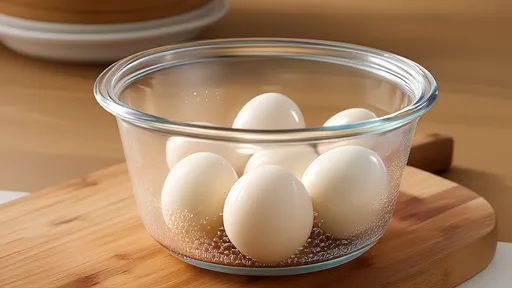
The first consideration when selecting a container for microwaving eggs is the material. Glass and ceramic have long been trusted for their microwave-safe properties. These materials do not leach harmful chemicals into food when heated, and they distribute heat evenly, preventing hot spots that could lead to uneven cooking or even explosions. However, not all glass or ceramic is created equal. Containers with metallic accents or glazes containing lead should be strictly avoided, as they can spark or release toxins under microwave conditions.
Plastic containers present a more complex scenario. While many modern plastics are labeled as microwave-safe, the term itself can be misleading. The safety of plastic depends on its resin identification code, with numbers 1, 2, 4, and 5 generally considered safer options. However, even these should not be used for extended microwave periods or at high temperatures, as the heat can cause plasticizers to migrate into food. For steaming eggs, which requires gentle and prolonged heat, plastic containers may not be the optimal choice despite their convenience.
The shape and design of the container significantly impact the cooking process. A wide, shallow dish allows the egg mixture to cook more evenly than a deep, narrow one. The ideal container should have enough surface area for steam to escape gradually, preventing pressure buildup that could cause the container to crack or the eggs to become rubbery. Many experienced cooks prefer using special microwave egg cookers with vented lids, designed specifically to create the perfect steamed egg texture while maintaining safety standards.
Temperature resistance is another critical factor that often goes overlooked. Some containers may be microwave-safe but cannot withstand the thermal shock of rapid temperature changes. When removing a hot container from the microwave, the sudden exposure to cooler air can cause inferior materials to crack or shatter. This is particularly important when preparing steamed eggs, as the dish requires covering during cooking and immediate uncovering afterward. Borosilicate glass, known for its high thermal resistance, has become increasingly popular for microwave cooking due to this very property.
The interaction between food and container material deserves special attention when cooking protein-rich foods like eggs. Certain materials, especially some plastics, can cause proteins to stick more aggressively, making cleanup difficult and potentially affecting the texture of the final dish. Anecdotal evidence from professional chefs suggests that well-seasoned ceramic ramekins or glass bowls with smooth interiors yield the best non-stick results for microwave-steamed eggs, while maintaining food safety standards.
Environmental considerations have also begun influencing container choices for microwave cooking. Reusable glass containers not only provide safety benefits but also reduce kitchen waste compared to disposable options. The longevity of high-quality microwave-safe containers often justifies their higher initial cost, especially for frequently prepared dishes like steamed eggs. This shift toward sustainable kitchenware reflects a broader trend in home cooking that values both health consciousness and environmental responsibility.
Practical experimentation often yields the best results when determining the ideal microwave container for steamed eggs. Home cooks might find that different containers produce varying textures - from silky smooth to slightly firm - depending on the specific microwave wattage and cooking duration. Keeping a kitchen journal to note the container material, shape, and cooking results can help refine the process over time. What works perfectly in one microwave might need adjustment in another, making personal experience an invaluable guide.
Manufacturer guidelines should never be ignored when selecting microwave cookware. Reputable brands conduct rigorous testing to determine the microwave safety of their products, and these recommendations often account for factors the average consumer might overlook. The tiny print on the bottom of containers contains vital information that can prevent kitchen accidents and ensure food safety. When in doubt, contacting the manufacturer directly can provide clarification on whether a particular container is suitable for steaming eggs in the microwave.
Cultural traditions have also shaped container choices for egg steaming across different cuisines. In Japanese cooking, donabe clay pots are sometimes used for microwave steaming, while Chinese culinary practices often favor porcelain bowls. These traditional containers have stood the test of time not just for their cultural significance but also for their functional properties in creating the perfect steamed egg texture. Modern home cooks can draw inspiration from these time-honored practices while adapting them to contemporary kitchen technology.
Ultimately, the safest approach to microwave egg steaming involves understanding the limitations and advantages of different container materials, respecting manufacturer guidelines, and being willing to adjust techniques based on personal experience. The perfect steamed egg - smooth, tender, and evenly cooked - begins with choosing the right vessel for the microwave. This seemingly simple decision encompasses considerations of material science, culinary technique, and food safety that together create the foundation for successful microwave cooking.

By /Aug 6, 2025

By /Aug 6, 2025

By /Aug 6, 2025

By /Aug 6, 2025

By /Aug 6, 2025

By /Aug 6, 2025

By /Aug 6, 2025

By /Aug 6, 2025

By /Aug 6, 2025

By /Aug 6, 2025

By /Aug 6, 2025

By /Aug 6, 2025

By /Aug 6, 2025
By /Aug 6, 2025
By /Aug 6, 2025

By /Aug 6, 2025

By /Aug 6, 2025

By /Aug 6, 2025
By /Aug 6, 2025
By /Aug 6, 2025
