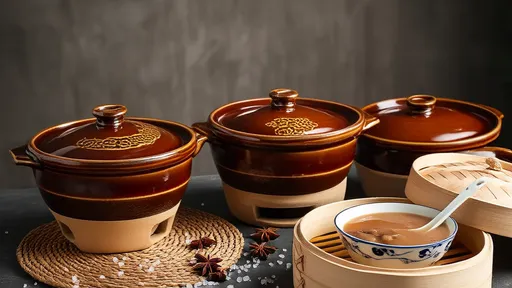
The humble clay pot has been a trusted kitchen companion for centuries, prized for its ability to distribute heat evenly and enhance flavors. Yet, despite its durability, the clay pot has one Achilles' heel – its vulnerability to sudden temperature changes. Mastering the art of preventing cracks in your beloved clay pot isn't just about preserving cookware; it's about honoring an ancient culinary tradition that demands patience and respect for the material's natural properties.
Understanding why clay pots crack requires delving into basic physics. Clay, being porous and brittle by nature, expands when heated and contracts when cooled. Rapid temperature fluctuations create uneven stress distribution across the material. Imagine pouring ice water into a heated glass – the result would be disastrous. The same principle applies to clay pots, though the effects might not be immediately apparent. Micro-fractures that form during thermal shock may seem insignificant at first but will inevitably lead to catastrophic failure after repeated abuse.
Seasoned cooks who have maintained the same clay pot for decades swear by gradual temperature adjustment. The golden rule they whisper in kitchen lore is simple: what heats slowly must cool slowly. This philosophy extends beyond mere cookware maintenance – it's a meditation on the gentle rhythms of traditional cooking. When you rush the process, you're not just risking a cracked pot; you're disrupting the harmonious dance between heat, time, and ingredients that defines exceptional clay pot cuisine.
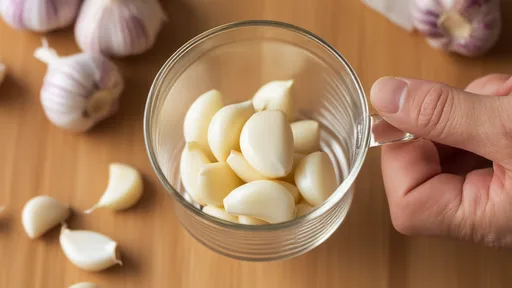
The seasoning ritual forms the foundation of clay pot longevity. Before its maiden use, a new clay pot should undergo a baptism of sorts – submerged in water for several hours, then allowed to air dry completely. This initial hydration prepares the microscopic pores in the clay to better handle future thermal stress. Some traditional methods involve rubbing the interior with garlic or cooking a porridge-like mixture during the first use, creating a natural protective layer. These age-old techniques might seem superstitious to modern cooks, but they're grounded in practical science that reinforces the clay's structure.
Temperature management during cooking separates the novice from the clay pot virtuoso. Never place a cold clay pot directly on high heat – the thermal shock can cause immediate cracking. Instead, begin with low heat and gradually increase it over 5-10 minutes, allowing the entire vessel to warm uniformly. This gradual approach gives the clay molecules time to expand evenly throughout the structure. Similarly, when removing the pot from heat, avoid placing it on cold surfaces. A wooden board or thick cloth provides insulation against rapid cooling that could spell disaster for your prized cooking vessel.
The water content in both food and the pot itself plays a crucial role in preventing cracks. Clay pots thrive on moisture – they're designed to breathe and interact with liquids during cooking. When preparing dishes with minimal liquid content, some experienced cooks recommend lightly moistening the pot's exterior during cooking to maintain even thermal distribution. This technique, passed down through generations of clay pot masters, demonstrates how working with the material's natural properties rather than against them yields superior results.
Storage wisdom often gets overlooked in discussions about clay pot maintenance. How you store your pot between uses significantly impacts its lifespan. Never store a clay pot while it's still damp, as residual moisture can weaken the structure over time. Conversely, don't expose it to direct sunlight or intense heat during storage, as this can make the clay brittle. The ideal storage spot is a cool, dry place with adequate air circulation – some enthusiasts even wrap their pots in breathable cloth to protect them from dust while allowing moisture to evaporate.
Repairing minor cracks requires immediate attention to prevent further damage. Traditional methods involve creating a paste from clay powder and water, applying it to the affected area, and allowing it to cure completely before use. While this might restore functionality temporarily, it's worth remembering that a heavily repaired clay pot will never perform as well as an intact one. The repair process itself serves as a poignant reminder of the fragility we're trying to prevent through proper care and handling.
Modern innovations have introduced some reinforced clay pots that claim to withstand greater thermal shock, but purists argue these compromise the authentic cooking properties that make traditional clay pots special. The very fragility of classic clay pots is what demands the cook's full attention and respect – qualities that often translate into more mindful, intentional cooking. In our fast-paced world, the clay pot stands as a reminder that some things can't and shouldn't be rushed.
Mastering clay pot care ultimately comes down to developing a relationship with your cookware. Like any meaningful relationship, it requires patience, understanding, and a willingness to work within certain boundaries. The rewards for this investment go beyond preventing cracks – they include unparalleled flavor development, a connection to culinary traditions, and the quiet satisfaction that comes from treating simple tools with the reverence they deserve. In the dance between fire and clay, we find not just better cooking, but a slower, more thoughtful approach to nourishment itself.
By /Aug 11, 2025
By /Aug 11, 2025
By /Aug 11, 2025

By /Aug 11, 2025
By /Aug 11, 2025
By /Aug 11, 2025
By /Aug 11, 2025
By /Aug 11, 2025
By /Aug 11, 2025
By /Aug 11, 2025

By /Aug 11, 2025

By /Aug 11, 2025
By /Aug 11, 2025
By /Aug 11, 2025

By /Aug 11, 2025
By /Aug 11, 2025
By /Aug 11, 2025
By /Aug 11, 2025
By /Aug 11, 2025
By /Aug 11, 2025
