There’s an art to cooking dumplings that goes far beyond simply boiling them in water. Anyone who has ever ended up with a pot of sticky, torn, or clumped-together dumplings knows the frustration of what should be a simple process. Whether you’re making homemade jiaozi or preparing store-bought varieties, keeping them intact and perfectly separated requires a few key techniques. Among the most effective methods are controlling the boiling process with cold water and using bamboo steamers brushed with oil—tricks that have been passed down through generations of home cooks and professional chefs alike.
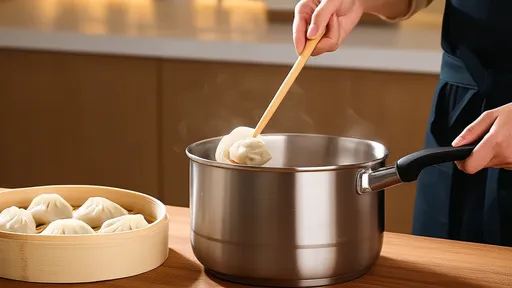
The first challenge in cooking dumplings is managing the boil. Many people assume that once the water reaches a rolling boil, the dumplings can be left to cook undisturbed. However, this often leads to uneven cooking and, worse, dumplings sticking to each other or the pot. The traditional Chinese method involves adding small amounts of cold water at strategic intervals. This technique tempers the boil, preventing the dumplings from being jostled too aggressively by the bubbling water. The sudden drop in temperature also helps the dough firm up slightly, creating a more resilient exterior that resists sticking.
Beyond temperature control, the choice of cooking vessel plays a crucial role. Bamboo steamers, a staple in many Asian kitchens, offer a natural non-stick surface when treated properly. Before placing the dumplings inside, a light brushing of oil—preferably something neutral like peanut or vegetable oil—creates a protective barrier between the dough and the steamer. The porous nature of bamboo also allows for better moisture regulation, preventing the dumplings from becoming soggy on the bottom. Unlike metal steamers, which can sometimes promote sticking, bamboo’s organic texture works in harmony with the oil to ensure each dumpling releases cleanly when lifted.
Timing is another factor that can’t be overlooked. Adding cold water isn’t a one-time event; it’s typically done in stages. For example, after the initial boil, a quarter cup of cold water might be added to calm the bubbling. Once the water returns to a boil, the process is repeated. This cyclical method ensures that the dumplings cook evenly without the outer layer becoming too soft or gummy. The exact number of repetitions depends on the size and thickness of the dumplings, but the goal remains the same: gentle, controlled cooking that preserves the integrity of each piece.
For those who prefer steaming over boiling, the bamboo steamer method is equally effective. The key lies in the preparation. Before loading the dumplings, the steamer should be lined—traditionally with cabbage leaves or parchment paper—but a light coat of oil on the bamboo slats can eliminate the need for liners altogether. This approach not only prevents sticking but also imparts a subtle, toasty aroma to the dumplings, enhancing their flavor. Steaming is particularly forgiving for delicate fillings, as the gentle heat cooks them through without the risk of bursting that boiling sometimes presents.
While these techniques may seem like small details, they make a significant difference in the final result. Perfectly cooked dumplings should be tender yet firm, with a smooth exterior that doesn’t cling to its neighbors. Whether served in a soup, pan-fried for a crispy bottom, or enjoyed straight from the steamer, the foundation of a great dumpling lies in how it’s cooked. Mastering these methods ensures that each bite is as satisfying as the last—no torn wrappers or frustrating clumps in sight.
Beyond practicality, there’s something deeply satisfying about these time-tested methods. Adding cold water and brushing bamboo with oil aren’t just tricks; they’re part of a culinary tradition that values precision and care. In a world where kitchen shortcuts abound, taking the time to cook dumplings properly feels like a nod to the patience and skill of generations past. And when the final product emerges flawlessly cooked and beautifully separated, the effort feels more than worthwhile.
By /Aug 11, 2025
By /Aug 11, 2025
By /Aug 11, 2025

By /Aug 11, 2025
By /Aug 11, 2025
By /Aug 11, 2025
By /Aug 11, 2025
By /Aug 11, 2025
By /Aug 11, 2025
By /Aug 11, 2025
By /Aug 11, 2025
By /Aug 11, 2025
By /Aug 11, 2025
By /Aug 11, 2025

By /Aug 11, 2025
By /Aug 11, 2025
By /Aug 11, 2025
By /Aug 11, 2025
By /Aug 11, 2025
By /Aug 11, 2025
