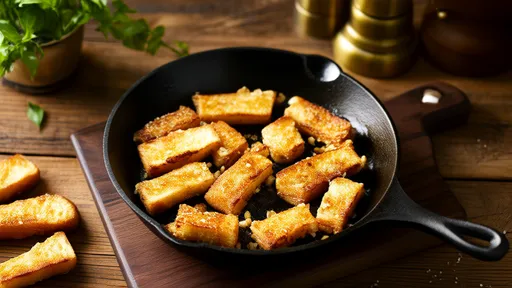
In every loaf of bread, there exists an often-overlooked culinary opportunity hiding in plain sight - the humble crust. While most home cooks discard these golden edges or grudgingly chew through them, creative cooks have discovered how to transform this underappreciated ingredient into something extraordinary. The process of giving bread crusts new life as garlicky, crispy toast sticks represents both an economical kitchen hack and a flavor revelation.
The concept builds upon two timeless culinary truths: that texture contrast creates eating excitement, and that garlic makes everything better. When stale bread crusts meet this simple formula, they undergo a magical metamorphosis from throwaway item to craveable snack. This transformation requires neither expensive equipment nor professional skills - just basic pantry staples and about fifteen minutes of active kitchen time.
Professional chefs have long understood the potential locked within bread's outer edges. High-end restaurants frequently repurpose day-old bread into croutons, breadcrumbs, or panzanella salad. The garlic toast stick method follows this tradition of waste-not cooking while delivering a result that feels entirely new. What begins as potential compost material emerges from the oven radiating savory aromas and possessing an irresistible crunch.
The selection of bread crusts matters more than one might assume. While any type will work in a pinch, sourdough and French bread crusts develop particularly good structure during their second baking. Their tighter crumb and sturdy edges withstand the oil coating without becoming soggy. Whole grain varieties add nutritional complexity but require slightly shorter cooking times to prevent burning. Even gluten-free bread crusts can join the party, though they'll produce a more delicate final product.
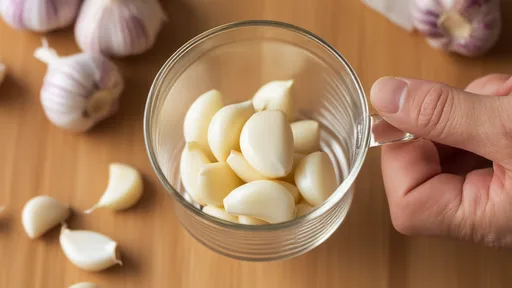
Garlic forms the soul of this preparation, and its treatment makes all the difference. Crushing rather than mincing releases more of the flavorful allicin compounds, while a brief soak in the cooking oil mellows the pungency. Some innovative cooks add a pinch of sugar to the garlic oil, which promotes caramelization during baking. The garlic infusion continues developing flavor as the strips bake, permeating every nook of the porous bread with its aromatic essence.
Timing proves crucial when transforming crusts into crisp sticks. Underbaked pieces retain unpleasant chewiness, while overbaked ones cross into bitterness. The ideal doneness shows even browning with no pale spots, and yields to pressure with a satisfying snap. Professional test kitchens found that rotating the baking sheet halfway through cooking ensures even exposure to heat, preventing those frustrating batches where some pieces char while others barely crisp.
Seasoning opportunities abound beyond the basic garlic-and-salt approach. Smoked paprika adds depth, nutritional yeast contributes umami, and chili flakes bring welcome heat. Some global variations include tossing the baked sticks with za'atar for Middle Eastern flair or nori powder for Japanese-inspired seasoning. The neutral base of toasted bread accepts nearly any flavor profile, making this an ideal vehicle for culinary experimentation.
Storage presents few challenges for these transformed crusts. Unlike soft bread that goes stale within days, the thoroughly dehydrated sticks maintain their texture for weeks in airtight containers. Their durability makes them perfect for picnic baskets, lunchboxes, or emergency snack stashes. Some creative home cooks keep batches on hand to crush over soups or salads as an alternative to croutons, extending their usefulness even further.
The environmental impact of this small kitchen innovation shouldn't be underestimated. Food waste statistics show that bread ranks among the most commonly discarded household items. By finding delicious uses for every part of the loaf, home cooks can significantly reduce their contribution to landfill mass. This garlic toast stick method demonstrates how slight shifts in perspective can turn "waste" into a valued ingredient.
Presentation possibilities allow for creative expression. Rustic piles in woven baskets suit casual gatherings, while vertical arrangements in slender glasses elevate them for cocktail parties. Some hosts serve them alongside dips, transforming the humble sticks into edible utensils. Their golden hue and irregular shapes create visual interest on appetizer platters, proving that beautiful food needn't require expensive ingredients.
Nutritionally, the repurposed crusts offer benefits over many processed snacks. Without artificial additives or excessive sodium, they provide whole grain fiber and the cardiovascular benefits of garlic. The olive oil contributes healthy fats, and the dehydration process concentrates what nutrients remain in the bread. While not a health food per se, they represent a smarter choice than most commercial crunchy snacks.
Children often prove surprisingly enthusiastic about these transformed crusts. The fun stick shape and robust crunch appeal to young eaters, while parents appreciate the stealthy whole grain consumption. Many families report that involving kids in the preparation process - from brushing on the garlic oil to sprinkling seasonings - increases their willingness to try foods they might otherwise reject.
The economic argument for this preparation becomes clear when considering restaurant pricing. Similar items on appetizer menus often carry surprising price tags for what amounts to seasoned bread. Home preparation allows for gourmet results at pennies per serving, with the added satisfaction of creative resourcefulness. This dish exemplifies how home cooking can outshine restaurant fare in both quality and value.
Historical precedents for this concept exist across cultures. Italian bruschetta, Spanish picatostes, and German knoblauchbrot all demonstrate traditions of enhancing stale bread through toasting and seasoning. The garlic toast stick method follows this lineage while adapting it for modern convenience. Like so many great culinary ideas, it feels both comfortingly familiar and excitingly new.
Advanced variations continue pushing the concept forward. Some cooks incorporate grated Parmesan into the oil mixture for added richness, while others finish baked sticks with a drizzle of truffle oil. Sweet versions emerge when cinnamon sugar replaces garlic, creating dessert-worthy dippers for fruit compotes. The basic formula welcomes endless interpretation, limited only by the cook's imagination.
For time-pressed cooks, the recipe offers rare flexibility. The oil infusion can be prepared days in advance, and the actual baking requires minimal supervision. Unlike temperamental pastry or fussy sauces, this preparation forgives distractions and imprecise measurements. The margin for error remains wide, making it accessible even for novice cooks building kitchen confidence.
Ultimately, the garlic toast stick phenomenon represents more than just a clever use for bread scraps. It embodies a cooking philosophy that values resourcefulness, celebrates transformation, and finds potential where others see waste. In an era of increasing food costs and environmental concerns, such small acts of culinary creativity take on greater significance. The satisfied crunch of a perfectly baked bread crust stick delivers not just flavor, but the quiet satisfaction of cooking at its most thoughtful.
By /Aug 11, 2025
By /Aug 11, 2025
By /Aug 11, 2025
By /Aug 11, 2025
By /Aug 11, 2025
By /Aug 11, 2025
By /Aug 11, 2025
By /Aug 11, 2025
By /Aug 11, 2025
By /Aug 11, 2025
By /Aug 11, 2025
By /Aug 11, 2025
By /Aug 11, 2025
By /Aug 11, 2025
By /Aug 11, 2025
By /Aug 11, 2025
By /Aug 11, 2025
By /Aug 11, 2025
By /Aug 11, 2025
By /Aug 11, 2025
