The art of creating the perfect pudding lies in mastering the delicate balance of texture and flavor. Among the various techniques employed by pastry chefs and home cooks alike, the water bath method—slow baking at a precise 80°C—has emerged as a game-changer for achieving that coveted silky-smooth consistency. This gentle approach to baking transforms humble ingredients into a luxurious dessert that melts on the tongue while preserving the nuanced flavors that higher temperatures often destroy.
What makes the water bath technique so special is its ability to distribute heat evenly around the custard. Unlike conventional oven baking where direct dry heat can cause proteins to coagulate too quickly—resulting in a grainy or rubbery texture—the water creates a protective buffer. The liquid surrounding the baking dish never exceeds 100°C, effectively capping the maximum temperature exposure. At 80°C, the egg proteins in the custard unfold and bond gradually, forming a network with just enough structure to hold the pudding together while maintaining an ethereal lightness.
The science behind this method reveals why professional kitchens have sworn by it for generations. As the pudding bakes in this controlled environment, the milk proteins interact with the eggs at a molecular pace. Casein and whey proteins unwind gently rather than clumping abruptly, while the sugar dissolves completely into a smooth syrup rather than caramelizing prematurely. This low-and-slow approach also prevents the formation of air bubbles that would otherwise rise to the surface and create unsightly pores in the finished product.
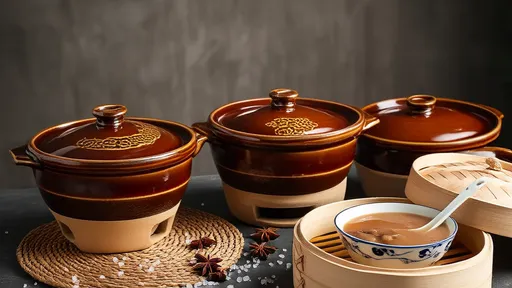
Choosing the right vessel plays a crucial role in water bath pudding success. Ceramic ramekins or porcelain cups work best as they conduct heat steadily without hotspots. Metal pans should be avoided as they transfer heat too aggressively, defeating the purpose of the gentle water bath. The baking dish should be placed in a roasting pan filled with hot water that reaches about halfway up the sides of the pudding containers—this ensures even cooking without water seeping into the custard mixture.
Timing becomes an exercise in patience with this technique. Where a traditional baked pudding might be ready in 30-40 minutes, the 80°C water bath method typically requires 60-90 minutes depending on the depth of the custard. The extended cooking period allows flavors to develop complexity—vanilla beans release their aromatic compounds gradually, citrus zests infuse their brightness without turning bitter, and spices like nutmeg or cinnamon distribute their warmth evenly throughout the mixture.
The visual cues for doneness differ markedly from conventional baking as well. Rather than looking for golden brown tops or pulling the pudding out when a knife comes out clean, the water bath method relies on the jiggle test. A properly cooked custard should wobble uniformly like gentle waves when shaken—the center should move slightly while the edges appear set. This indicates the proteins have coagulated sufficiently to hold their structure while remaining tender, as residual heat will continue cooking the pudding slightly during the cooling phase.
Temperature control proves paramount throughout the process. Professional kitchens often use immersion circulators to maintain exact water temperatures, but home cooks can achieve excellent results with a reliable oven thermometer and careful monitoring. The water should stay between 75-85°C—any hotter risks curdling the eggs, while cooler temperatures may prevent proper setting. Some bakers swear by starting with boiling water and letting it gradually cool during cooking, while others prefer maintaining consistent heat from beginning to end.
The advantages of this technique extend beyond texture alone. Because the custard never approaches scorching temperatures, delicate ingredients remain vibrant. Fresh fruit purees retain their bright acidity, floral elements like lavender or rose maintain their perfume-like qualities, and high-quality chocolate preserves its nuanced flavor profile. This makes the water bath method particularly valuable for showcasing premium ingredients where subtlety matters as much as richness.
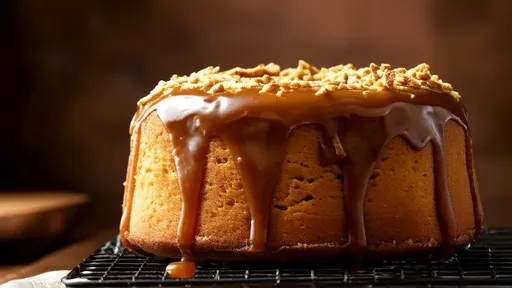
Presentation reaches new heights with water bath puddings. The flawless surface—free of cracks, bubbles, or discoloration—becomes a blank canvas for creative garnishes. A dusting of cocoa powder shows up with photographic clarity, fruit coulis pools without sinking into imperfections, and caramel sauces glide across the smooth surface. This visual perfection matches the refined mouthfeel, creating a multisensory dessert experience that feels distinctly professional.
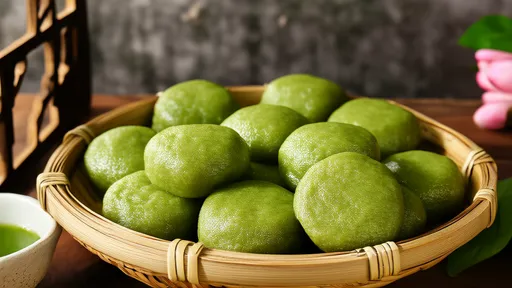
While the technique originated with classic custards like crème brûlée and pot de crème, innovative chefs have adapted the water bath approach to contemporary desserts. Matcha puddings develop vibrant green hues without bitterness, vegan versions using coconut milk achieve unprecedented creaminess, and avant-garde combinations like olive oil or herb-infused custards benefit from the precise temperature control. The method has even crossed over into savory applications, producing silken tofu-like textures in egg-based dishes.
The 80°C water bath represents more than just a cooking method—it embodies a philosophy of patience and precision in pastry arts. In an era of instant gratification, this slow approach serves as a reminder that some transformations cannot be rushed. The resulting pudding, with its velvety texture and pure flavors, stands as testament to the power of gentle heat and culinary restraint, offering a taste experience that lingers in memory long after the last spoonful.
By /Aug 11, 2025
By /Aug 11, 2025
By /Aug 11, 2025

By /Aug 11, 2025
By /Aug 11, 2025
By /Aug 11, 2025
By /Aug 11, 2025
By /Aug 11, 2025
By /Aug 11, 2025
By /Aug 11, 2025

By /Aug 11, 2025
By /Aug 11, 2025
By /Aug 11, 2025
By /Aug 11, 2025
By /Aug 11, 2025
By /Aug 11, 2025
By /Aug 11, 2025

By /Aug 11, 2025
By /Aug 11, 2025
By /Aug 11, 2025
