In the world of culinary arts, vinegar plays a pivotal role in enhancing flavors, preserving foods, and adding that much-needed tang to dishes. Among the many varieties available, the acidity level of vinegar—measured as a percentage—determines its best use in the kitchen. A common guideline suggests that vinegars with 5% acidity are ideal for dressings and salads, while those with 8% acidity are better suited for pickling. But why is this the case? Understanding the science and art behind these percentages can elevate your cooking and food preservation techniques.
The Science Behind Vinegar Acidity
Vinegar is essentially a solution of acetic acid and water, with trace elements that contribute to its flavor and aroma. The acidity percentage indicates the concentration of acetic acid in the mixture. A 5% vinegar contains 5 grams of acetic acid per 100 milliliters of liquid, while an 8% vinegar has nearly double that amount. This difference might seem minor, but it has significant implications for taste, preservation, and culinary applications.
Lower acidity vinegars, such as those at 5%, are milder and more versatile. They blend seamlessly into dressings, marinades, and light sauces without overpowering other ingredients. Their subtle tang complements fresh vegetables, fruits, and delicate proteins, making them a staple in salads. On the other hand, higher acidity vinegars, like those at 8%, pack a stronger punch. This intensity is crucial for pickling, where the vinegar needs to penetrate and preserve tougher vegetables or fruits while balancing their natural sugars and flavors.
Why 5% Vinegar Shines in Salads
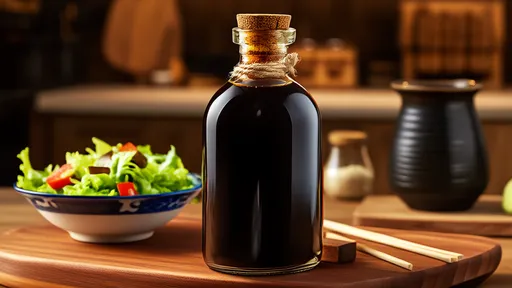
When it comes to salads, balance is key. A dressing should enhance, not dominate, the fresh ingredients it accompanies. A 5% vinegar strikes this balance perfectly. Its moderate acidity brightens the flavors of leafy greens, tomatoes, cucumbers, and other salad staples without making them taste overly sour. Additionally, the lower acidity allows for a smoother emulsion when combined with oils, herbs, and spices, creating a harmonious blend that coats each bite evenly.
Beyond taste, 5% vinegar also offers practical benefits. It’s gentle enough to use in raw applications without causing discomfort to sensitive palates or digestive systems. Many chefs and home cooks prefer it for vinaigrettes and light pickling, such as quick-pickled onions or cucumbers, where a milder flavor profile is desired. The versatility of 5% vinegar extends to deglazing pans, adding a splash to soups, or even drizzling over roasted vegetables for a subtle lift.
The Role of 8% Vinegar in Pickling
Pickling is as much about preservation as it is about flavor. Vegetables and fruits submerged in an 8% vinegar solution benefit from the higher acidity, which inhibits bacterial growth and extends shelf life. The robust acidity also breaks down cell walls more effectively, allowing the vinegar to infuse deeper into the food. This results in a more pronounced tang and firmer texture, which are hallmarks of well-pickled items like cucumbers, carrots, or beets.
The strength of 8% vinegar is particularly important for long-term storage. Traditional pickling recipes often call for this level of acidity to ensure safety and consistency. The sharper taste also stands up to strong spices like mustard seeds, dill, or garlic, which are common in pickling brines. While 8% vinegar can be diluted for certain recipes, its potency makes it the go-to choice for serious home preservers and professional chefs alike.
Choosing the Right Vinegar for Your Needs
While the 5% and 8% guidelines are helpful, personal preference and recipe requirements should ultimately guide your choice. Experimenting with different acidity levels can lead to delightful discoveries in the kitchen. For instance, a 6% vinegar might offer the perfect middle ground for those who enjoy a slightly sharper salad dressing or a gentler pickle. Similarly, some artisanal vinegars, like apple cider or balsamic, vary in acidity but bring unique flavors that standard white vinegar can’t match.
Understanding vinegar acidity is just one aspect of mastering its use. Temperature, infusion time, and additional ingredients all play a role in the final outcome. Whether you’re dressing a summer salad or preserving a bumper crop of vegetables, selecting the right vinegar can make all the difference. So next time you reach for that bottle, take a moment to check the label—your taste buds will thank you.
By /Aug 11, 2025
By /Aug 11, 2025
By /Aug 11, 2025
By /Aug 11, 2025
By /Aug 11, 2025
By /Aug 11, 2025
By /Aug 11, 2025
By /Aug 11, 2025

By /Aug 11, 2025
By /Aug 11, 2025

By /Aug 11, 2025
By /Aug 11, 2025
By /Aug 11, 2025

By /Aug 11, 2025

By /Aug 11, 2025
By /Aug 11, 2025
By /Aug 11, 2025

By /Aug 11, 2025
By /Aug 11, 2025
By /Aug 11, 2025
