The art of selecting premium doubanjiang begins with understanding the sediment layers in the bottle. Among connoisseurs and professional chefs alike, one golden rule stands out: the red oil layer should occupy at least one-third of the bottle's height. This seemingly simple visual indicator reveals volumes about the fermentation quality, chili content, and overall flavor profile of this essential Sichuan condiment.
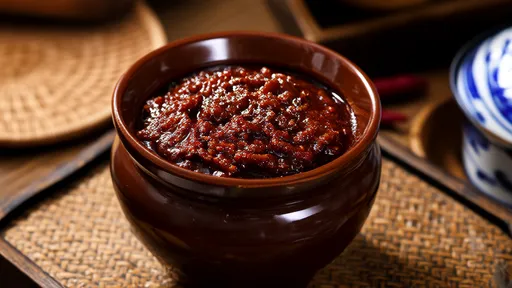
When you first encounter a bottle of doubanjiang, the stratification tells a story. At the bottom lies the dense paste of fermented broad beans and soybeans, darkened by months or years of careful aging. Floating above this foundation, the vibrant red oil forms a distinct layer that seasoned buyers scrutinize carefully. This crimson elixir isn't merely aesthetic - it's the lifeblood of authentic flavor, carrying the essence of chili peppers and the complex aromas developed during fermentation.
The thickness of the red oil layer directly correlates with the quality of ingredients and production methods. Traditional artisans use copious amounts of premium chili peppers, which release their oils during the extended fermentation process. Inferior products often contain fillers or shortcuts in production that result in a meager oil layer. When the red oil constitutes less than a third of the bottle, it typically indicates either insufficient chili content or inadequate fermentation time - both critical factors that diminish the final product's depth and complexity.
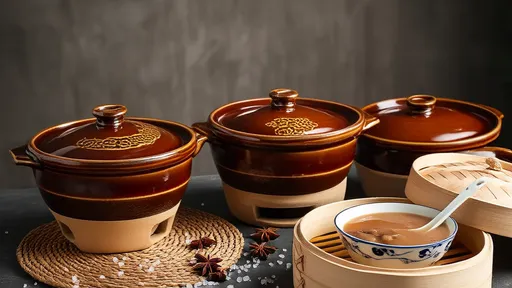
Authentic Pixian doubanjiang, the gold standard of this fermented paste, consistently demonstrates this characteristic oil separation. The best producers in Sichuan's Pixian county allow their mixtures to ferment for years in earthenware jars, during which time the natural oils separate and rise to form this distinctive layer. Industrial producers aiming for quicker turnaround often struggle to replicate this natural separation, resorting to artificial coloring or oil additives that fail to deliver the same flavor profile.
Seasoned buyers have developed techniques for assessing the oil layer before purchase. Holding the bottle up to light reveals the true proportion of red oil, as some manufacturers cleverly disguise thin oil layers with dark glass or misleading label placement. Gently tilting the bottle allows the oil to flow, demonstrating its viscosity - premium doubanjiang oil moves slowly, thick with dissolved flavors from prolonged fermentation. This simple test often separates authentic products from imitations.
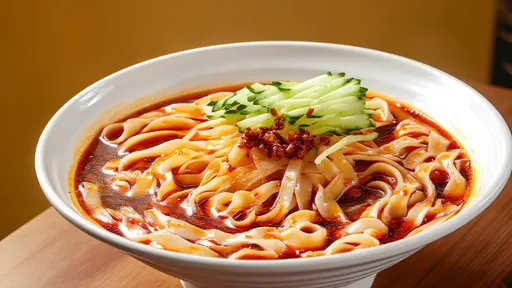
The red oil serves more than just visual appeal in culinary applications. When cooking mapo tofu or twice-cooked pork, this flavorful oil becomes the foundation of the dish's signature "red oil bloom" - that appetizing layer of chili oil that forms on the surface of properly executed Sichuan dishes. Chefs value this oil for its ability to carry both heat and aroma, distributing the complex flavors evenly throughout a dish. A doubanjiang with insufficient oil simply cannot achieve this characteristic presentation or flavor distribution.
Beyond thickness, the color intensity of the red oil provides additional quality clues. Premium products display a deep, luminous red that hints at the chili variety and processing methods. Bright, orange-tinged oil often indicates younger fermentation or inferior chili peppers, while a darker, blood-red hue suggests extended aging and premium chili selection. This visual cue, combined with the oil layer thickness, forms a reliable composite indicator of overall quality.
Modern production challenges have made finding true one-third oil doubanjiang increasingly difficult. As demand outpaces traditional fermentation capacity, some producers have shortened aging times or reduced chili content to increase output. This makes the oil layer criterion more important than ever for consumers seeking authentic flavor. Knowledgeable shoppers increasingly seek out specialty stores or direct-from-producer options that guarantee traditional production methods.
The relationship between oil layer and shelf life presents another consideration. Products with a robust red oil layer tend to preserve better, as the oil creates a natural barrier against oxidation. This explains why traditional doubanjiang could be kept for extended periods without refrigeration - a quality still valued in professional kitchens today. Conversely, products with minimal oil separation often require preservatives or refrigeration to maintain quality, signaling their industrial production methods.
Regional variations add complexity to the oil layer assessment. While Pixian-style doubanjiang typically shows the clearest oil separation, other regional varieties may demonstrate different characteristics. Some Guizhou versions incorporate local chili varieties that produce slightly thinner oil layers, while certain Taiwanese interpretations might appear oilier due to adjusted production methods. However, the one-third rule remains a reliable baseline across most traditional styles.
Temperature plays a surprising role in oil layer evaluation. In cooler environments, the oil may thicken and appear less distinct, potentially misleading casual observers. Savvy buyers gently warm the bottle (either with hands or by leaving it at room temperature) to see the true oil separation. This simple technique prevents misjudgment of perfectly good products during winter months or in refrigerated supermarket displays.
The sound of a well-oiled doubanjiang provides another sensory clue. When shaking a premium product, you'll hear a subtle, viscous movement rather than the watery sloshing of inferior versions. This auditory test complements the visual oil assessment, creating a multi-sensory approach to quality evaluation that experienced buyers have used for generations.
Understanding this oil layer criterion transforms how one shops for doubanjiang. What initially appears as mere sedimentation becomes a language of quality, speaking volumes about the care, ingredients, and time invested in each batch. As global interest in authentic Sichuan cuisine grows, this knowledge empowers both home cooks and professional chefs to select products worthy of their culinary creations.
Market trends show increasing awareness of this quality marker. Specialty food retailers now frequently highlight the oil layer proportion in their premium doubanjiang selections, recognizing that educated consumers understand its significance. Some high-end producers have begun packaging their products in clear glass to proudly display their abundant red oil layers, turning what was once an insider's quality secret into a visible marketing advantage.
The cultural significance of this red oil extends beyond practical cooking applications. In Sichuan culinary tradition, the vibrant red color symbolizes prosperity and good fortune, making generously oiled doubanjiang particularly valued for festive occasions and important meals. This cultural dimension adds another layer of meaning to the one-third rule, connecting modern quality assessment with centuries of culinary tradition.
For those new to doubanjiang selection, the oil layer criterion provides an accessible starting point in navigating this complex condiment. While other factors like bean quality, additional ingredients, and fermentation duration all contribute to the final product, the visible oil proportion offers a reliable first filter for quality assessment. As with many fermented foods, trusting traditional visual cues often leads to superior flavor experiences.
Ultimately, the one-third red oil rule represents more than just a purchasing guideline - it embodies the patience and respect for process that defines traditional Sichuan cuisine. In a world of instant flavors and shortcut cooking, this crimson layer stands as a testament to the irreplaceable value of time-honored fermentation techniques. Whether you're stocking a professional kitchen or simply exploring authentic Chinese flavors, letting this red oil be your guide ensures every dish reaches its full flavorful potential.
By /Aug 11, 2025
By /Aug 11, 2025
By /Aug 11, 2025
By /Aug 11, 2025
By /Aug 11, 2025
By /Aug 11, 2025
By /Aug 11, 2025
By /Aug 11, 2025
By /Aug 11, 2025
By /Aug 11, 2025
By /Aug 11, 2025
By /Aug 11, 2025
By /Aug 11, 2025
By /Aug 11, 2025
By /Aug 11, 2025
By /Aug 11, 2025
By /Aug 11, 2025
By /Aug 11, 2025
By /Aug 11, 2025
By /Aug 11, 2025
