The culinary world is constantly evolving, with chefs and food enthusiasts alike seeking innovative ways to elevate even the most humble dishes. One such example is the wolf tooth potato, a simple yet visually striking preparation that has gained popularity in recent years. At the heart of this technique lies the precise 1cm wave-cut standard, a method that transforms ordinary potatoes into something extraordinary.
Originating from street food stalls in China's Sichuan province, the wolf tooth potato – or láng yá tǔ dòu as it's known locally – has become a global sensation. What sets this dish apart isn't just its bold seasoning but the distinctive ridged shape that gives the potatoes their name, resembling the jagged teeth of a wolf. The secret to achieving this iconic texture lies in the specialized cutting technique that creates uniform, wave-like slices exactly 1cm in thickness.
Professional chefs emphasize the importance of maintaining the 1cm standard throughout the cutting process. This specific measurement isn't arbitrary – it's the result of years of culinary experimentation. At 1cm thick, the potato slices achieve the perfect balance between crispy exterior and fluffy interior when fried. Thinner cuts would become too brittle, while thicker pieces would lose that desirable contrast in textures.
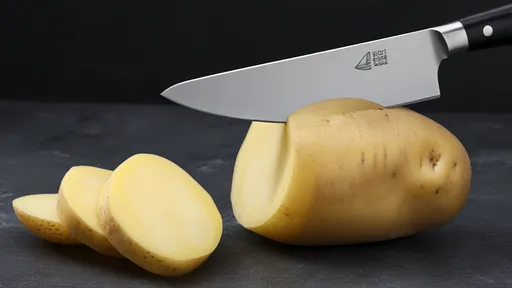
The cutting process itself requires both skill and the right tools. Special wave-cut knives or mandolins with adjustable settings have become essential equipment for vendors specializing in this dish. The blade creates parallel ridges on each slice while maintaining that crucial 1cm thickness. When fried, these ridges increase the surface area, allowing for more caramelization and better adherence of spices and seasonings.
Beyond texture, the uniform 1cm cut serves practical purposes in commercial food preparation. Consistency in size ensures even cooking times, which is crucial for street vendors serving high volumes. It also creates a visually appealing product that customers immediately recognize as authentic wolf tooth potatoes. The regularity of the cuts has become so important that some vendors display their cutting tools prominently as a mark of quality.
Interestingly, the technique has applications beyond street food. High-end restaurants have begun incorporating the wave-cut standard into their dishes, using it for root vegetables served alongside premium cuts of meat. The ridges catch sauces beautifully and provide an interesting textural contrast to softer elements on the plate. Some molecular gastronomy chefs have even experimented with applying the same cutting principle to fruits and gelatin-based creations.
The popularity of this specific preparation method speaks to a broader trend in modern cuisine – the elevation of street food techniques to artisanal status. What began as a practical way to make fried potatoes more interesting has become a globally recognized standard. Food scientists have studied why the particular combination of shape and thickness works so well, confirming through testing that the 1cm wave cut optimizes heat transfer during cooking.
As the technique spreads internationally, variations have emerged while maintaining that essential 1cm foundation. In Korea, vendors might add an extra ridge to the cut for even crispier results. In American gastropubs, the same cut might appear on sweet potato fries. But the core principle remains – that precise, measured approach to creating the perfect potato slice.
For home cooks attempting to recreate authentic wolf tooth potatoes, investing in a quality wave-cut tool becomes essential. Many find that achieving that professional-standard 1cm thickness consistently by hand proves challenging. The market has responded with various gadgets ranging from simple handheld ridged cutters to elaborate mandolin attachments, all calibrated to deliver that perfect cut.
The cultural significance of this specific preparation method shouldn't be overlooked. In Chengdu, where the dish originated, competitions are held for the most perfect wave cuts. Master cutters can process dozens of potatoes per minute while maintaining millimeter-perfect consistency. This skill, once purely functional, has become a respected culinary art form in its own right.
Looking forward, the 1cm wave-cut standard shows no signs of fading from popularity. If anything, its applications continue to expand as chefs across various cuisines recognize its versatility. From food trucks to Michelin-starred establishments, this simple yet precise cutting technique has carved out its permanent place in global culinary practice, proving that sometimes, perfection lies in the millimeter details.

By /Aug 11, 2025

By /Aug 11, 2025

By /Aug 11, 2025

By /Aug 11, 2025

By /Aug 11, 2025
By /Aug 11, 2025

By /Aug 11, 2025

By /Aug 11, 2025

By /Aug 11, 2025

By /Aug 11, 2025

By /Aug 11, 2025

By /Aug 11, 2025

By /Aug 11, 2025

By /Aug 11, 2025

By /Aug 11, 2025

By /Aug 11, 2025

By /Aug 11, 2025
By /Aug 11, 2025

By /Aug 11, 2025

By /Aug 11, 2025
