The humble instant ramen packet has long been the savior of hungry students, busy professionals, and late-night snackers worldwide. While the basic preparation - boiling noodles in water with a flavor packet - gets the job done, culinary adventurers have discovered that adding just two ingredients can transform this quick meal into something extraordinary. The combination of milk and cheese creates a rich, creamy broth that elevates instant ramen from dorm room desperation to comfort food royalty.
The Science Behind the Creaminess
What makes milk and cheese such magical additions to instant ramen broth? The answer lies in their chemical composition and how they interact with the existing flavors. Milk contains proteins and fats that emulsify when heated, creating that desirable creamy texture. The lactose in milk also caramelizes slightly during cooking, adding a subtle sweetness that balances the salty umami of the ramen seasoning.
Cheese brings its own transformative powers to the pot. As it melts, the cheese's fat molecules disperse throughout the broth while its proteins help thicken the liquid. The glutamates in aged cheeses like Parmesan or cheddar enhance the savory depth of the broth through what's known as the "umami bomb" effect. This synergy between dairy and instant noodles explains why the combination has become so popular across food blogs and social media platforms.
A Brief History of Ramen Reinvention
While the milk-cheese ramen trend feels distinctly modern, the practice of upgrading instant noodles has roots stretching back decades. In post-war Japan, where instant ramen was invented, resourceful home cooks began adding whatever ingredients they had available to enhance the basic preparation. Dairy additions became particularly popular in Hokkaido, Japan's northernmost island known for its dairy farms and harsh winters.
The modern iteration gained global traction through South Korea's "army base stew" (budae jjigae), which combines American-style processed cheese with spicy instant noodles. Korean pop culture's international reach helped spread this comforting combination worldwide, inspiring countless variations. Today, the hashtag #cheeseramen garners millions of posts across social platforms, with everyone from college students to professional chefs putting their spin on the concept.
Choosing Your Dairy Components
Not all milk and cheese combinations yield equally delicious results. Whole milk works best for achieving that luxuriously creamy texture, though evaporated milk can provide even more richness for those seeking an ultra-indulgent bowl. Skim milk tends to make the broth watery rather than creamy, while plant-based milks often separate when heated to boiling temperatures.
For cheese, melty varieties like American, mozzarella, or young cheddar integrate most smoothly into the broth. Hard, aged cheeses like Parmesan or Pecorino Romano should be finely grated and added at the end for maximum flavor impact without clumping. Processed cheese products like Velveeta melt exceptionally well but will give a distinctly different (some would say nostalgic) flavor profile compared to natural cheeses.
The Basic Technique
Perfecting milk and cheese ramen requires slightly more finesse than the standard preparation method. Begin by cooking your noodles in about 25% less water than the package suggests - this accounts for the liquid the dairy will add later. When the noodles are about halfway cooked, reduce the heat to medium-low and pour in your milk, using roughly equal parts milk to the remaining water in the pot.
Add the seasoning packet and stir gently to combine. The key here is maintaining a gentle simmer rather than a rolling boil to prevent the milk from separating or scalding. As the noodles finish cooking, gradually add your cheese of choice in small handfuls, stirring constantly until fully melted before adding more. This gradual incorporation prevents the cheese from clumping together in unappetizing globs.
Regional Variations and Creative Twists
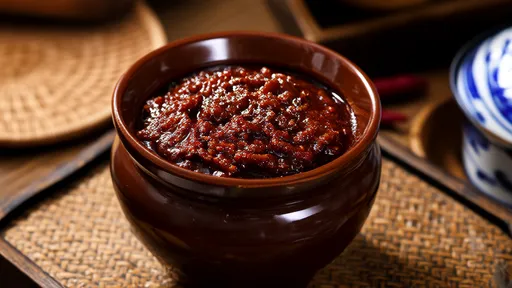
While the basic milk-and-cheese formula works wonders on nearly any instant ramen flavor, creative cooks have developed countless regional and personal variations. In Korea, a dollop of gochujang (fermented chili paste) transforms the broth into a creamy, spicy delight. Japanese versions might include a pat of butter and corn for a Hokkaido-inspired bowl.
Thai-inspired versions incorporate coconut milk alongside dairy milk and finish with lime juice and cilantro. Mexican variations use queso fresco or Oaxaca cheese, topped with sliced avocado and a sprinkle of chili powder. The versatility of this base preparation means it can adapt to nearly any culinary tradition or personal preference.
Nutritional Considerations
While undeniably delicious, milk and cheese do significantly increase the calorie and fat content of what begins as a relatively light meal. A standard packet of instant ramen contains about 200-300 calories before additions. Adding just half a cup of whole milk and an ounce of cheddar cheese nearly doubles that count, bringing the total to around 500 calories per serving.
For those watching their intake, modifications can help lighten the dish without sacrificing creaminess. Using reduced-fat milk and cheese can cut calories by about 30%, while adding just a tablespoon of cream cheese to low-fat milk creates richness without excessive fat. Including vegetables like spinach, mushrooms, or bean sprouts boosts nutrition while adding minimal calories.
Pairing Suggestions
The richness of cheese ramen begs for accompaniments that provide contrast and balance. Pickled vegetables like kimchi or Japanese takuan cut through the fattiness with their bright acidity. A simple side salad with vinaigrette dressing offers refreshing contrast. For protein, consider adding a soft-boiled egg, slices of chashu pork, or even canned tuna for extra substance.
Beverage pairings should likewise aim for balance. Iced barley tea or cold brew green tea work well for their clean, astringent qualities that cleanse the palate between bites. For those enjoying cheese ramen as a late-night indulgence, a light lager or crisp cider provides similar palate-cleansing bubbles without overwhelming the dish's flavors.
Cultural Significance and Comfort Food Appeal
Beyond its culinary merits, the milk and cheese ramen phenomenon speaks to something deeper in our relationship with food. In an era of artisanal everything and foodie one-upmanship, there's something beautifully subversive about elevating such a humble, mass-produced product. The dish represents a kind of culinary democracy - a way for anyone, regardless of cooking skill or budget, to create something that feels special and comforting.
Perhaps this explains why cheesy ramen recipes often come with personal stories - memories of college all-nighters, post-breakup consolation meals, or snowy days when nothing else would hit the spot. The dish has become more than the sum of its parts; it's a edible hug, a reminder that small acts of self-care can take surprisingly delicious forms.
Professional Chefs Weigh In
Even culinary professionals have taken notice of this home kitchen innovation. Several ramen chefs have incorporated dairy elements into their restaurant offerings after seeing the homemade versions' popularity. Chef Ivan Orkin of New York's Ivan Ramen serves a "shio ramen" that includes a pat of butter melting into the broth, while Tokyo's Ramen Nagi offers a "cheese tsukemen" where noodles are dipped in a cheese-enhanced broth.
These professional versions validate what home cooks discovered through experimentation - that dairy and ramen broth make unexpectedly perfect partners. As chef Orkin noted in an interview, "The creaminess rounds out the sharp edges of the ramen seasoning, creating something greater than its parts. It's alchemy in a soup bowl."
The Future of Fancy Instant Ramen
As food culture continues evolving, instant ramen upgrades show no signs of slowing down. Some predict the next frontier involves premium instant noodles specifically formulated for dairy additions, with seasoning packets calibrated to complement rather than compete with cheese flavors. Others experiment with alternative dairy products like labneh or skyr for different texture and tang profiles.
One thing remains certain: the marriage of milk, cheese, and instant noodles has secured its place in the pantheon of beloved comfort foods. Whether enjoyed as occasional indulgence or weekly ritual, this simple yet transformative preparation proves that culinary magic often lies not in fancy techniques or expensive ingredients, but in creative combinations of the everyday.
By /Aug 11, 2025

By /Aug 11, 2025
By /Aug 11, 2025

By /Aug 11, 2025
By /Aug 11, 2025
By /Aug 11, 2025
By /Aug 11, 2025
By /Aug 11, 2025
By /Aug 11, 2025
By /Aug 11, 2025

By /Aug 11, 2025
By /Aug 11, 2025
By /Aug 11, 2025

By /Aug 11, 2025

By /Aug 11, 2025
By /Aug 11, 2025
By /Aug 11, 2025

By /Aug 11, 2025
By /Aug 11, 2025
By /Aug 11, 2025
