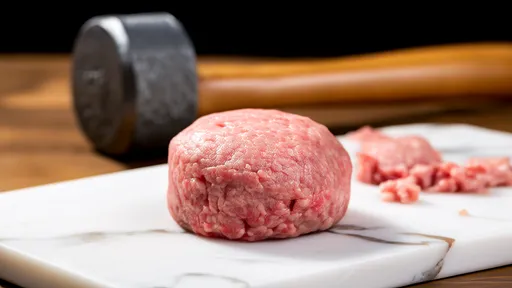
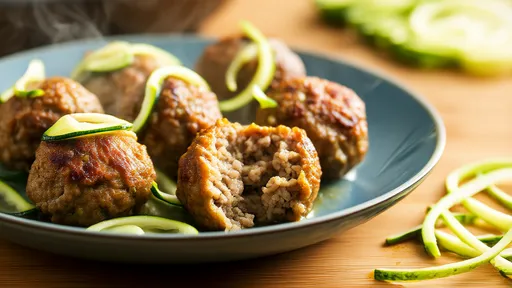
In the ever-evolving world of culinary creativity, one trend has been quietly gaining traction among home cooks and nutrition-conscious families: the art of hiding vegetables in unexpected places. Among these so-called "stealth vegetables," zucchini has emerged as a particularly versatile player. When shredded and incorporated into meatballs, this mild-flavored squash performs a minor miracle—it disappears completely while contributing moisture, nutrients, and an almost undetectable boost of fiber.
The concept isn't entirely new. Parents have long smuggled pureed vegetables into pasta sauces and baked goods, but the zucchini-in-meatball technique represents a more sophisticated approach. Unlike strongly flavored veggies that might announce their presence, shredded zucchini blends seamlessly with ground meat. As the meatballs cook, the zucchini strands become virtually indistinguishable from the meat's texture, while their high water content prevents the usual dryness that plagues leaner meat mixtures.
Nutritionists have applauded this method as a clever way to increase vegetable consumption without triggering the resistance that often accompanies more obvious health food substitutions. A single medium zucchini can add nearly two grams of fiber and a meaningful dose of potassium, magnesium, and vitamins A and C to a batch of meatballs. For families struggling to meet daily vegetable intake recommendations, these hidden additions can make a significant difference over time.
The preparation couldn't be simpler. After washing and trimming the ends, the zucchini is grated using the large holes of a box grater or food processor attachment. Some cooks prefer to salt the shredded zucchini lightly and let it drain in a colander for about ten minutes to remove excess moisture, while others skip this step, allowing the vegetable's natural juices to keep the meatballs tender. The strands are then mixed into the meatball blend along with the usual suspects—ground meat, breadcrumbs, eggs, and seasonings.
What makes this technique particularly brilliant is its adaptability across culinary traditions. Italian-style meatballs benefit from zucchini's neutral flavor just as readily as Swedish köttbullar or Middle Eastern kofta. The vegetable works equally well with beef, pork, chicken, turkey, or plant-based meat alternatives. Even meatloaf can get the zucchini treatment, with some recipes calling for up to two cups of shredded squash per pound of meat.
Beyond its nutritional advantages, the zucchini addition solves several practical meatball-making challenges. The extra moisture means leaner cuts of meat can be used without sacrificing tenderness. The vegetable fibers help bind the mixture, reducing the need for excessive breadcrumbs or eggs that might compromise the meaty texture. And for those watching their carbohydrate intake, zucchini provides bulk without the blood sugar impact of traditional fillers.
The visual deception is nearly perfect. Unlike visible vegetable chunks that might raise suspicions, the fine shreds of zucchini vanish into the meat's matrix after cooking. Even picky eaters who might methodically dissect their food to remove offending ingredients rarely detect the hidden vegetable. This makes the technique particularly valuable for introducing vegetables to children or adults with strong food preferences.
Professional chefs have taken note of this humble hack, with some upscale restaurants quietly incorporating zucchini into their meat dishes as part of the growing "healthy indulgence" movement. The vegetable's ability to improve texture while reducing the meat content (and cost) makes it appealing from both culinary and business perspectives. Some establishments have even built marketing campaigns around their "secret ingredient," turning the concealment into a conversation starter.
Home cooks report that the zucchini addition makes meatballs more forgiving during cooking. The extra moisture creates a buffer against overcooking, resulting in tender meatballs even when left simmering in sauce longer than intended. This reliability has made the technique especially popular for meal preppers and those cooking for crowds, where timing can be challenging to coordinate perfectly.
As word spreads about this kitchen trick, variations continue to emerge. Some cooks combine zucchini with other mild vegetables like shredded carrots or mushrooms for additional nutrient diversity. Others use the technique as a gateway to more adventurous vegetable additions, gradually increasing the ratio of veggies to meat. A particularly innovative approach involves using zucchini as the primary binder in vegetarian meatballs, where its moisture and fiber help mimic the mouthfeel of meat.
The environmental implications shouldn't be overlooked. With growing concerns about the ecological impact of meat production, strategies that allow for reduced meat consumption without sacrificing satisfaction align with sustainable eating goals. A batch of meatballs that contains 25% zucchini represents a meaningful reduction in its overall meat content—and environmental footprint—while delivering nearly identical sensory pleasure.
Perhaps most remarkably, this humble vegetable addition has sparked creativity in other areas of stealth nutrition. Home cooks inspired by their zucchini meatball success often experiment with hiding vegetables in other unlikely places—cauliflower in mac and cheese, black beans in brownies, or spinach in smoothies. The zucchini meatball phenomenon demonstrates how small, undetectable changes can cumulatively transform eating habits without the resistance that often accompanies more overt dietary changes.
As we continue to seek solutions that bridge the gap between nutrition and pleasure, between health goals and busy lifestyles, techniques like the zucchini meatball remind us that sometimes the most effective innovations are also the simplest. They require no special equipment, no exotic ingredients, just a willingness to see familiar foods in a new light. In an era of increasingly complicated dietary advice, there's something profoundly satisfying about a solution that's as straightforward as grating a vegetable into your next batch of meatballs.

By /Aug 11, 2025
By /Aug 11, 2025
By /Aug 11, 2025

By /Aug 11, 2025

By /Aug 11, 2025
By /Aug 11, 2025
By /Aug 11, 2025
By /Aug 11, 2025

By /Aug 11, 2025

By /Aug 11, 2025
By /Aug 11, 2025
By /Aug 11, 2025

By /Aug 11, 2025

By /Aug 11, 2025

By /Aug 11, 2025
By /Aug 11, 2025
By /Aug 11, 2025

By /Aug 11, 2025
By /Aug 11, 2025
By /Aug 11, 2025
