Prevent Dry Cracks on Cold Noodle Sheets by Spraying Water"

Aug 11, 2025 By

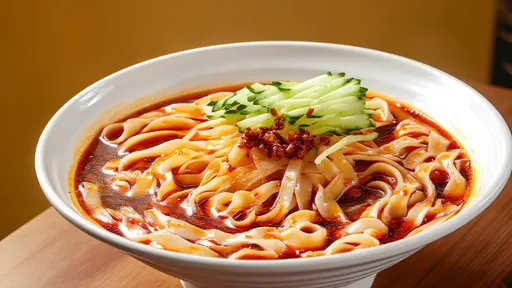
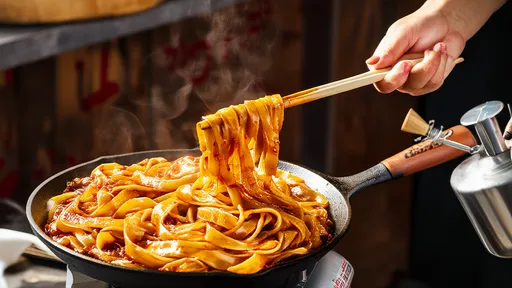
In the bustling streets of northern China, a humble yet beloved street food has captured the hearts of millions—the grilled cold noodle. Known locally as "kao leng mian," this dish transforms chewy cold noodle sheets into a sizzling, savory masterpiece. But behind its simplicity lies a crucial technique that separates amateurs from masters: the careful hydration of cold noodle sheets to prevent cracking.

Why Water Matters More Than You Think

Vendors who’ve perfected the craft know that cold noodle sheets, made primarily from wheat or potato starch, behave like a culinary tightrope walker. Too dry, and they split apart during grilling, ruining texture and presentation. Too wet, and they turn gummy, losing the signature chewiness. The solution? A fine mist of water applied at just the right moment.

Early morning markets reveal the ritual. Seasoned cooks unstack the translucent sheets with practiced fingers, spritzing them lightly between layers with spray bottles—the kind more commonly seen in hair salons than kitchens. "It’s not about soaking them," explains Wang Lijun, a third-generation vendor in Shenyang. "You want to wake up the starch without drowning it. Think of it like reviving a delicate flower."

The Science Behind the Splash

Food scientists confirm this isn’t just folklore. Starch-based sheets lose moisture rapidly when exposed to air, causing polymers to contract unevenly. A 2018 study from Jilin University found that sheets sprayed with 5-8% water by weight maintained optimal plasticity during high-heat cooking. The water molecules temporarily lubricate the starch chains, allowing them to stretch rather than snap under the iron griddle’s heat.

Street vendors demonstrate this principle daily. They’ll often fold a properly hydrated sheet like origami—first into quarters, then flattened again—without a single tear. Contrast this with dry sheets that crack at the first bend, leaving frustrating gaps for fillings to escape during cooking.

Regional Variations in Hydration Techniques

Travel across three provinces, and you’ll encounter subtle adaptations. In Harbin, where winters drop to -30°C, vendors add a whisper of vegetable oil to their water spray to combat evaporation. Tianjin hawkers swear by ice water, claiming the shock helps the sheets "remember" their elasticity. Meanwhile, Beijing’s university district vendors have adopted atomizers from laboratory equipment suppliers for ultra-fine mist control.

The timing varies too. Some hydrate sheets overnight in damp cloths, while others mist them immediately before grilling. "It depends on the batch," says Chef Zhang of a popular Dalian stall. "Fresh sheets from the morning market need less than factory-packed ones that sat in delivery trucks." He judges readiness by sound—properly hydrated sheets make a soft "pa" rather than a brittle "tak" when flicked.

Beyond the Stall: Home Kitchen Experiments

As grilled cold noodles gain global popularity, home cooks face new challenges. Without commercial steam cabinets, enthusiasts improvise. Food blogger Emma Cheng documented 27 hydration methods, from draping damp paper towels over sheets (risks overhydration) to using clothing garment steamers (effective but cumbersome). Her surprising winner? A ziplock bag with a single ice cube, left for precisely 18 minutes—the meltwater providing gradual, even absorption.

Professional kitchens take it further. At New York’s "Leng Mian Lab," chefs use ultrasonic humidifiers calibrated to 72% RH. "We treat the sheets like aged beef," says Chef Marcus Ko. "Controlled humidity equals controlled texture." Their signature move? A quick sake spray before grilling for caramelization enhancement.

The Future of Noodle Hydration Tech

Innovation marches onward. Last year, a Shandong manufacturer debuted starch sheets embedded with food-grade hydrogels that self-regulate moisture. Early adopters report flawless grilling without spraying, though traditionalists balk at the $0.02 per sheet premium. Meanwhile, Korean researchers are experimenting with edible chitosan coatings that slow moisture loss by 40%.

Yet for all the tech, the essence remains unchanged. As 78-year-old Granny Li in Changchun demonstrates—her wrinkled hands deftly flicking water from a scallion brush onto sheets—sometimes the old ways work best. "Machines can’t feel the noodle’s soul," she laughs, sliding a perfectly pliable sheet onto her decades-old griddle. And with that satisfying sizzle, the lesson becomes deliciously clear: in the world of grilled cold noodles, water isn’t just an ingredient—it’s the invisible thread weaving together tradition, science, and irresistible street food magic.
Recommend Posts
Food

Vinegar Guide: 5% for Salad Dressing > 8% for Pickling

By /Aug 11, 2025

In the world of culinary arts, vinegar plays a pivotal role in enhancing flavors, preserving foods, and adding that much-needed tang to dishes. Among the many varieties available, the acidity level of vinegar—measured as a percentage—determines its best use in the kitchen. A common guideline suggests that vinegars with 5% acidity are ideal for dressings and salads, while those with 8% acidity are better suited for pickling. But why is this the case? Understanding the science and art behind these percentages can elevate your cooking and food preservation techniques.
Food

Anti-Choking Technique: Cross-Cutting Grapes to Remove Seeds"

By /Aug 11, 2025

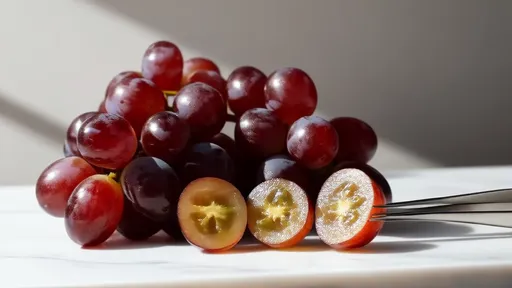
Grapes are a beloved snack for people of all ages, but their small size and smooth texture can pose a choking hazard, especially for young children. One effective method to minimize this risk is the cross-cutting technique, which involves slicing grapes into quarters and removing the seeds. This simple yet crucial step can make a significant difference in safety without compromising the fruit’s natural appeal.
Food

Green Protection with Green: Spinach Juice as a Substitute for Mugwort Scheme

By /Aug 11, 2025

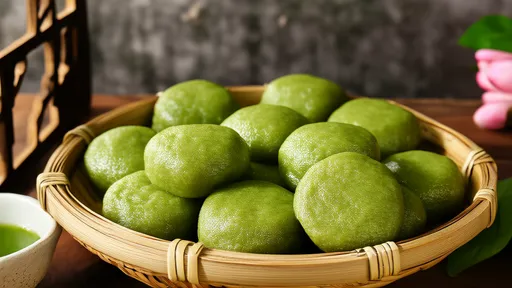
In recent years, the traditional Chinese Qingtuan—a glutinous rice dumpling tinted vibrant green with mugwort juice—has faced an unexpected challenge. As urbanization accelerates and wild mugwort becomes harder to source sustainably, culinary innovators have turned to an unlikely substitute: spinach juice. This shift represents more than just a practical solution; it reflects a broader cultural adaptation to environmental constraints while preserving the essence of seasonal traditions.
Food

Hand-Smashed Lemon Tea: 30 Whacks to Unlock the Aroma Threshold

By /Aug 11, 2025

In the bustling streets of Taipei, a peculiar trend has taken over beverage shops—hand-smashed lemon tea. The method is as visceral as it sounds: fresh lemons are violently pummeled with a wooden mallet, often precisely 30 times, before being mixed with tea and sweeteners. But why 30 strikes? The answer lies in the delicate balance between aroma, bitterness, and texture that defines this increasingly popular drink.
Food

Casserole Anti-Cracking: Tips for Avoiding Sudden Temperature Changes

By /Aug 11, 2025

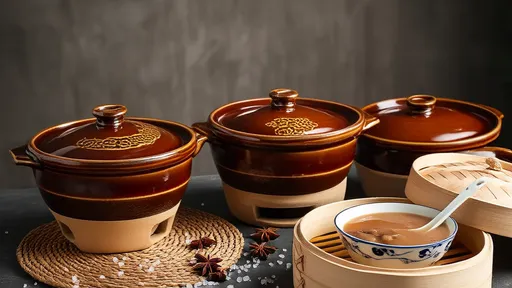
The humble clay pot has been a trusted kitchen companion for centuries, prized for its ability to distribute heat evenly and enhance flavors. Yet, despite its durability, the clay pot has one Achilles' heel – its vulnerability to sudden temperature changes. Mastering the art of preventing cracks in your beloved clay pot isn't just about preserving cookware; it's about honoring an ancient culinary tradition that demands patience and respect for the material's natural properties.
Food

Chaoshan Beef Balls: Elasticity Test After 40 Minutes of Pounding

By /Aug 11, 2025

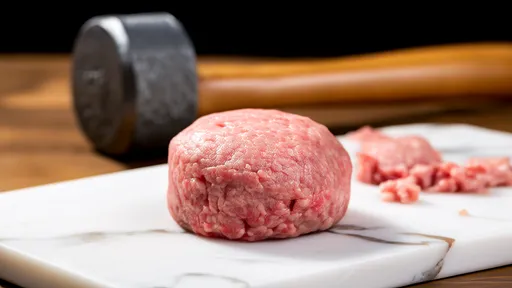
The rhythmic thud of wooden mallets against fresh beef echoes through the open kitchen of a small Chaozhou eatery, where a master butcher performs what looks like an ancient culinary ritual. This is the birthplace of the legendary Chaoshan beef ball – a deceptively simple dish that has captivated food lovers across China and beyond. The secret to its supernatural bounce? Forty minutes of relentless pounding that transforms ordinary beef into an elastic wonder.
Food

5-Minute Cold Noodles: Alkaline Noodles with Iced Water and Thinned Sesame Sauce

By /Aug 11, 2025

The art of creating perfect cold noodles lies in the interplay between texture and sauce. Across Asia, variations of chilled noodle dishes have been developed to combat sweltering summers, but few are as instantly satisfying as the five-minute cold sesame noodles made with alkaline noodles and diluted sesame paste.
Food

Garlic-Flavored Toast Edges: The Recipe for Crispy Rebirth

By /Aug 11, 2025

In every loaf of bread, there exists an often-overlooked culinary opportunity hiding in plain sight - the humble crust. While most home cooks discard these golden edges or grudgingly chew through them, creative cooks have discovered how to transform this underappreciated ingredient into something extraordinary. The process of giving bread crusts new life as garlicky, crispy toast sticks represents both an economical kitchen hack and a flavor revelation.
Food

Three Tips to Prevent Dumplings from Sticking: Add Cold Water When Water Boils + Brush Oil on Bamboo Steamer

By /Aug 11, 2025

There’s an art to cooking dumplings that goes far beyond simply boiling them in water. Anyone who has ever ended up with a pot of sticky, torn, or clumped-together dumplings knows the frustration of what should be a simple process. Whether you’re making homemade jiaozi or preparing store-bought varieties, keeping them intact and perfectly separated requires a few key techniques. Among the most effective methods are controlling the boiling process with cold water and using bamboo steamers brushed with oil—tricks that have been passed down through generations of home cooks and professional chefs alike.
Food

Fried Test: Bread Crumbs Float Up Immediately in the Pan

By /Aug 11, 2025

The sizzle of hot oil and the golden dance of breadcrumbs in a deep fryer may seem like simple kitchen alchemy, but there’s a fascinating science behind why those tiny crumbs leap to the surface the moment they hit the oil. For chefs and home cooks alike, this instantaneous reaction isn’t just a visual cue—it’s a critical indicator of temperature, texture, and the perfect fry. Understanding why breadcrumbs float can elevate your frying game from mediocre to masterful.
Food

Air Fryer: Baking Paper for Baked Fries, No Need to Wash

By /Aug 11, 2025

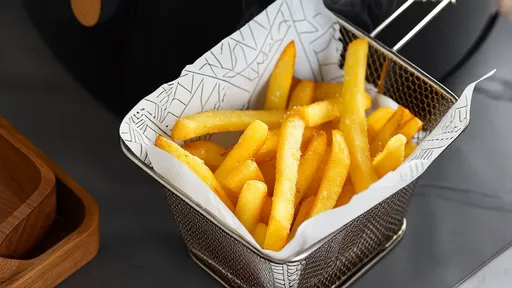
The air fryer has revolutionized home cooking, offering a healthier alternative to traditional deep frying with minimal oil. Among its many uses, one of the most popular is making crispy, golden french fries. But let’s face it—cleaning the air fryer basket afterward can be a hassle, especially when bits of potato stick to the mesh. That’s where parchment paper comes in as a game-changer.
Food

Invisible Vegetables: Zucchini Shredded into Meatballs"

By /Aug 11, 2025

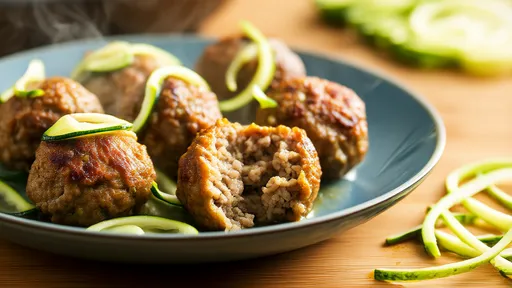
In the ever-evolving world of culinary creativity, one trend has been quietly gaining traction among home cooks and nutrition-conscious families: the art of hiding vegetables in unexpected places. Among these so-called "stealth vegetables," zucchini has emerged as a particularly versatile player. When shredded and incorporated into meatballs, this mild-flavored squash performs a minor miracle—it disappears completely while contributing moisture, nutrients, and an almost undetectable boost of fiber.
Food

Upgraded Noodle Soup: The Enchanting White Magic of Milk and Cheese

By /Aug 11, 2025

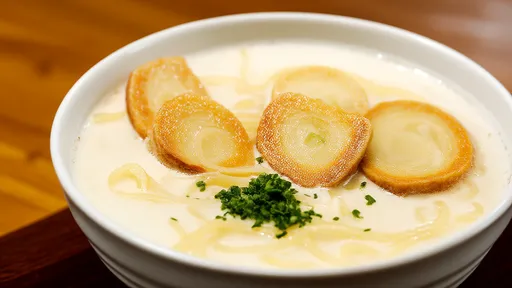
The humble instant ramen packet has long been the savior of hungry students, busy professionals, and late-night snackers worldwide. While the basic preparation - boiling noodles in water with a flavor packet - gets the job done, culinary adventurers have discovered that adding just two ingredients can transform this quick meal into something extraordinary. The combination of milk and cheese creates a rich, creamy broth that elevates instant ramen from dorm room desperation to comfort food royalty.
Food

Tender and Smooth Pudding: Slow Baked at 80℃ with Water Bath Method"

By /Aug 11, 2025

The art of creating the perfect pudding lies in mastering the delicate balance of texture and flavor. Among the various techniques employed by pastry chefs and home cooks alike, the water bath method—slow baking at a precise 80°C—has emerged as a game-changer for achieving that coveted silky-smooth consistency. This gentle approach to baking transforms humble ingredients into a luxurious dessert that melts on the tongue while preserving the nuanced flavors that higher temperatures often destroy.
Food

Huizhou Brick Carving Chronicles: Three-Dimensional Narratives of Folktales"

By /Aug 11, 2025

The art of Huizhou brick carving stands as a testament to China’s rich cultural heritage, where stone and narrative intertwine to create a vivid tapestry of folk traditions. Nestled in the mountainous regions of southern Anhui, these intricate carvings are more than mere decorations—they are three-dimensional storybooks, preserving legends, morals, and the daily lives of generations past. The craft, which flourished during the Ming and Qing dynasties, transforms humble clay into enduring masterpieces, each chisel stroke echoing the voices of artisans long gone.
Food

Quick Garlic Peeling Method: 30-Second Shaking Glass Cup Experiment

By /Aug 11, 2025

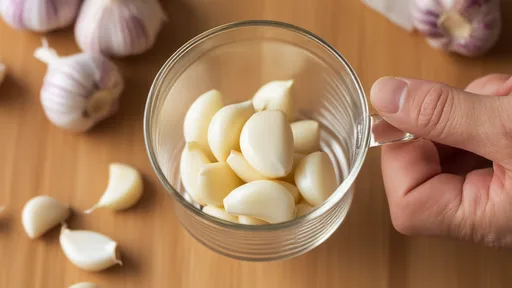
Garlic is a staple ingredient in kitchens around the world, prized for its pungent flavor and numerous health benefits. However, peeling garlic cloves can be a tedious and time-consuming task, often leaving home cooks with sticky fingers and a lingering odor. Recently, a viral kitchen hack has taken the internet by storm—the 30-second garlic peeling method using a simple glass jar. This unconventional technique promises to revolutionize the way we handle garlic, but does it really work? We decided to put it to the test.
Food

Oden Broth: Apple + Kelp Umami Essence

By /Aug 11, 2025

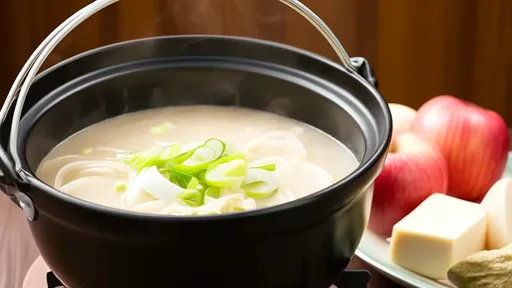
The world of Japanese cuisine is no stranger to innovation, where centuries-old traditions occasionally collide with modern creativity to produce something extraordinary. In this landscape of culinary experimentation, one particular combination has been turning heads in both professional kitchens and home cook circles alike - the pairing of sweet, crisp apples with the deep umami of kombu in oden broth. This unlikely duo represents more than just a passing food trend; it's a thoughtful exploration of flavor balance that challenges conventional wisdom about what belongs in savory soups.
Food

Wolf Tooth Potato: Wavy Blade Cut to 1cm Standard

By /Aug 11, 2025

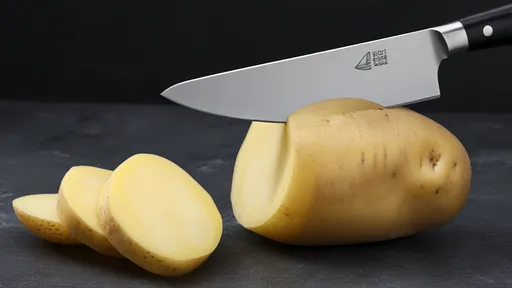
The culinary world is constantly evolving, with chefs and food enthusiasts alike seeking innovative ways to elevate even the most humble dishes. One such example is the wolf tooth potato, a simple yet visually striking preparation that has gained popularity in recent years. At the heart of this technique lies the precise 1cm wave-cut standard, a method that transforms ordinary potatoes into something extraordinary.
Food

Prevent Dry Cracks on Cold Noodle Sheets by Spraying Water"

By /Aug 11, 2025

In the bustling streets of northern China, a humble yet beloved street food has captured the hearts of millions—the grilled cold noodle. Known locally as "kao leng mian," this dish transforms chewy cold noodle sheets into a sizzling, savory masterpiece. But behind its simplicity lies a crucial technique that separates amateurs from masters: the careful hydration of cold noodle sheets to prevent cracking.
Food

Selecting Broad Bean Paste: Red Oil Layer ≥ 1/3 of the Bottle

By /Aug 11, 2025

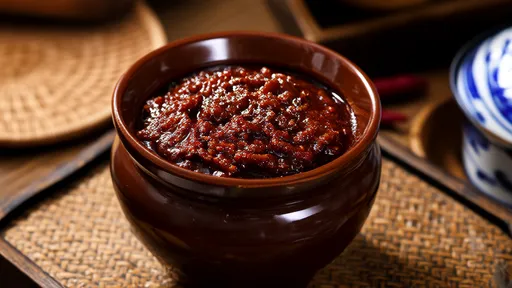
The art of selecting premium doubanjiang begins with understanding the sediment layers in the bottle. Among connoisseurs and professional chefs alike, one golden rule stands out: the red oil layer should occupy at least one-third of the bottle's height. This seemingly simple visual indicator reveals volumes about the fermentation quality, chili content, and overall flavor profile of this essential Sichuan condiment.